Understanding the Dental Implant Procedure
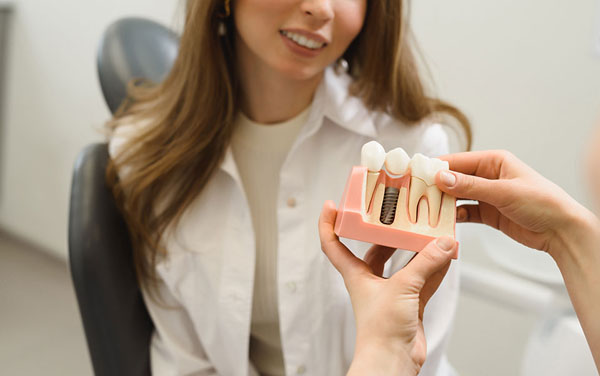
The dental implant procedure is a multi-step process designed to replace missing teeth with artificial roots that provide a stable foundation for replacement teeth. Initially, a thorough examination and imaging studies are conducted to assess the patient's jawbone and determine the best implant placement strategy.
Once the planning is complete, the first stage involves placing the titanium implant into the jawbone. Over the following months, the implant fuses with the bone through a process called osseointegration. After healing, an abutment is attached, followed by the placement of the final crown, restoring both function and aesthetics.
Common Complications After Dental Implant Surgery
While dental implants are generally safe and effective, some patients may experience complications post-surgery. Common issues include infection at the implant site, implant failure due to insufficient bone density, and complications related to anesthesia.
Patients are encouraged to maintain good oral hygiene and attend follow-up appointments to monitor the healing process. In cases of peri-implantitis, timely intervention can help preserve the implant and prevent further complications.
Benefits of Dental Implants Over Traditional Dentures
Dental implants offer numerous advantages compared to traditional dentures, including improved comfort, enhanced chewing ability, and a more natural appearance. Unlike removable dentures, implants are securely anchored in the jawbone, eliminating the discomfort associated with shifting or slipping.
Additionally, dental implants help preserve jawbone density, preventing the facial changes that often accompany tooth loss. This long-term solution not only restores functionality but also boosts confidence and overall quality of life.
Post-Operative Care for Dental Implants
Proper post-operative care is crucial for the success of dental implants. Patients should follow their dentist's instructions regarding pain management, diet, and oral hygiene to ensure optimal healing. Soft foods are typically recommended during the initial recovery phase.
Regular dental check-ups are essential for monitoring the implant's integration and addressing any concerns promptly. Patients should also be aware of signs of complications, such as persistent pain or swelling, and seek immediate care if these occur.
Understanding the Dental Implant Procedure
The dental implant procedure is a multi-step process designed to replace missing teeth with artificial roots that provide a stable foundation for replacement teeth. Initially, a thorough examination and imaging studies are conducted to assess the patient's jawbone and determine the best implant placement strategy.
Once the planning is complete, the first stage involves placing the titanium implant into the jawbone. Over the following months, the implant fuses with the bone through a process called osseointegration. After healing, an abutment is attached, followed by the placement of the final crown, restoring both function and aesthetics.
Common Complications After Dental Implant Surgery
While dental implants are generally safe and effective, some patients may experience complications post-surgery. Common issues include infection at the implant site, implant failure due to insufficient bone density, and complications related to anesthesia.
Patients are encouraged to maintain good oral hygiene and attend follow-up appointments to monitor the healing process. In cases of peri-implantitis, timely intervention can help preserve the implant and prevent further complications.
Benefits of Dental Implants Over Traditional Dentures
Dental implants offer numerous advantages compared to traditional dentures, including improved comfort, enhanced chewing ability, and a more natural appearance. Unlike removable dentures, implants are securely anchored in the jawbone, eliminating the discomfort associated with shifting or slipping.
Additionally, dental implants help preserve jawbone density, preventing the facial changes that often accompany tooth loss. This long-term solution not only restores functionality but also boosts confidence and overall quality of life.
Post-Operative Care for Dental Implants
Proper post-operative care is crucial for the success of dental implants. Patients should follow their dentist's instructions regarding pain management, diet, and oral hygiene to ensure optimal healing. Soft foods are typically recommended during the initial recovery phase.
Regular dental check-ups are essential for monitoring the implant's integration and addressing any concerns promptly. Patients should also be aware of signs of complications, such as persistent pain or swelling, and seek immediate care if these occur.