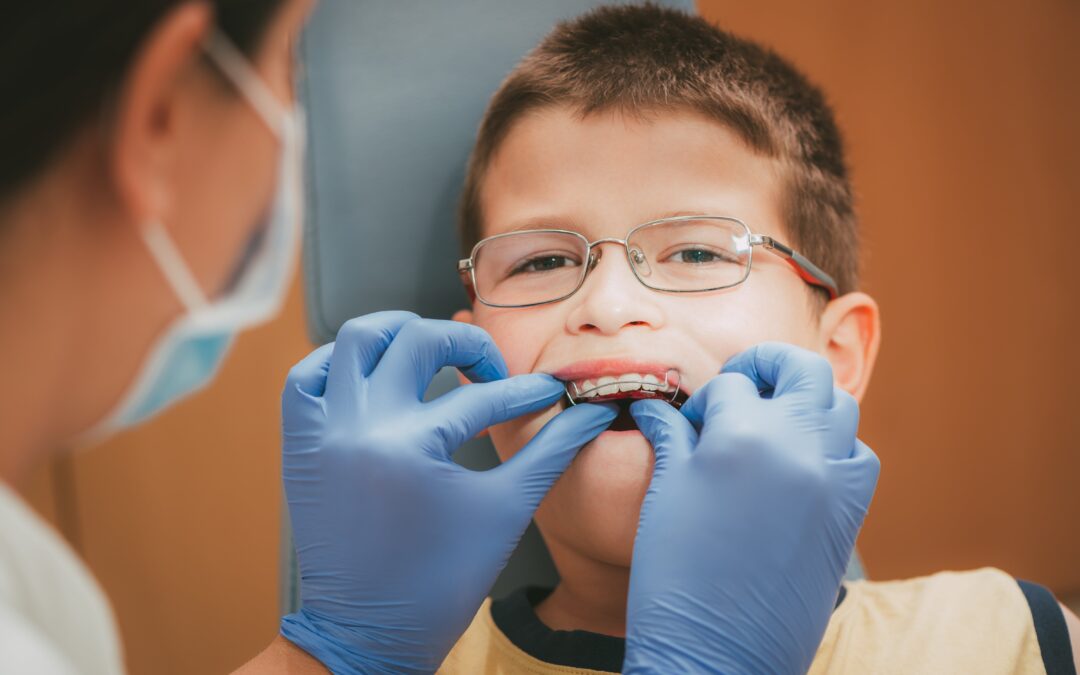
The Importance of Preventive Dental Care
Preventive dental care is crucial for maintaining optimal oral health and avoiding serious dental issues. Regular check-ups and cleanings help identify potential problems early, ensuring that they can be addressed before they escalate into more significant concerns.
Studies have shown that individuals who engage in preventive care experience fewer dental emergencies and maintain healthier teeth and gums. This proactive approach not only saves patients time and money but also promotes overall well-being by preventing infections and other complications linked to poor oral health.
Understanding Common Dental Procedures
Dental procedures can range from routine cleanings to more complex treatments like root canals and dental implants. Understanding these common procedures can help patients feel more comfortable and informed when visiting the dentist.
For instance, a root canal is often necessary when decay reaches the pulp of a tooth, and knowing what to expect can alleviate anxiety. Additionally, procedures like dental implants provide a permanent solution for missing teeth, enhancing both function and aesthetics.
Oral Health Tips for Different Life Stages
Maintaining oral health is essential at every stage of life, from childhood to adulthood and beyond. Each life stage presents unique challenges and needs regarding dental care, and being aware of these can lead to better health outcomes.
For example, children require guidance on proper brushing techniques and the importance of limiting sugary snacks, while adults may need to focus on preventive care and managing conditions like gum disease. Seniors often face issues related to dry mouth and tooth loss, making regular dental visits even more critical.
The Connection Between Oral Health and Overall Wellness
Research increasingly highlights the link between oral health and overall wellness. Poor oral hygiene can lead to systemic health issues, including heart disease, diabetes, and respiratory infections, underscoring the importance of maintaining good dental habits.
For instance, bacteria from gum disease can enter the bloodstream, potentially affecting heart health. By prioritizing oral hygiene, individuals can not only protect their teeth and gums but also contribute to their overall health and longevity.
The Importance of Preventive Dental Care
Preventive dental care is crucial for maintaining optimal oral health and avoiding serious dental issues. Regular check-ups and cleanings help identify potential problems early, ensuring that they can be addressed before they escalate into more significant concerns.
Studies have shown that individuals who engage in preventive care experience fewer dental emergencies and maintain healthier teeth and gums. This proactive approach not only saves patients time and money but also promotes overall well-being by preventing infections and other complications linked to poor oral health.
Understanding Common Dental Procedures
Dental procedures can range from routine cleanings to more complex treatments like root canals and dental implants. Understanding these common procedures can help patients feel more comfortable and informed when visiting the dentist.
For instance, a root canal is often necessary when decay reaches the pulp of a tooth, and knowing what to expect can alleviate anxiety. Additionally, procedures like dental implants provide a permanent solution for missing teeth, enhancing both function and aesthetics.
Oral Health Tips for Different Life Stages
Maintaining oral health is essential at every stage of life, from childhood to adulthood and beyond. Each life stage presents unique challenges and needs regarding dental care, and being aware of these can lead to better health outcomes.
For example, children require guidance on proper brushing techniques and the importance of limiting sugary snacks, while adults may need to focus on preventive care and managing conditions like gum disease. Seniors often face issues related to dry mouth and tooth loss, making regular dental visits even more critical.
The Connection Between Oral Health and Overall Wellness
Research increasingly highlights the link between oral health and overall wellness. Poor oral hygiene can lead to systemic health issues, including heart disease, diabetes, and respiratory infections, underscoring the importance of maintaining good dental habits.
For instance, bacteria from gum disease can enter the bloodstream, potentially affecting heart health. By prioritizing oral hygiene, individuals can not only protect their teeth and gums but also contribute to their overall health and longevity.