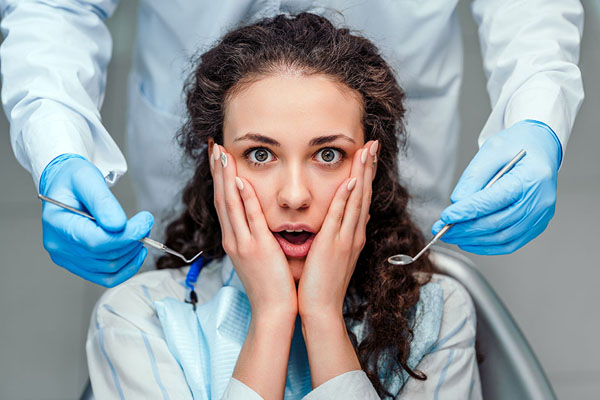
Maintaining Oral Hygiene During Stressful Times
During periods of heightened stress, maintaining proper oral hygiene can often fall by the wayside. Stress can lead to neglecting daily brushing and flossing routines, which are essential for preventing cavities and gum disease.
To combat this, it is crucial to establish a consistent oral care routine even when feeling overwhelmed. Techniques such as setting reminders, using mouthwash, and keeping dental supplies easily accessible can help ensure that oral hygiene remains a priority, even in challenging times.
Understanding the Importance of Regular Dental Check-Ups
Regular dental check-ups are vital for maintaining optimal oral health and catching potential issues before they escalate. These visits allow dentists to conduct thorough examinations, provide professional cleanings, and offer personalized advice tailored to each patient's needs.
By scheduling check-ups at least twice a year, patients can significantly reduce their risk of developing serious dental problems, such as cavities, gum disease, and even oral cancer. These proactive measures contribute to long-term dental health and overall wellness.
Nutritional Tips for Healthy Teeth and Gums
A balanced diet plays a crucial role in maintaining healthy teeth and gums. Foods rich in vitamins and minerals, such as calcium, vitamin D, and phosphorus, are essential for strengthening tooth enamel and supporting gum health.
Incorporating crunchy fruits and vegetables, like apples and carrots, can also help clean teeth naturally while providing essential nutrients. Reducing the intake of sugary snacks and beverages is equally important, as they can lead to tooth decay and other oral health issues.
Emergency Dental Care: What You Need to Know
Understanding what constitutes a dental emergency can help patients respond effectively when faced with urgent situations. Common dental emergencies include severe toothaches, knocked-out teeth, and injuries to the mouth or gums.
It is essential to know how to handle these situations, such as keeping a knocked-out tooth moist and seeking immediate dental care. Being prepared can make a significant difference in outcomes and help preserve dental health.
Maintaining Oral Hygiene During Stressful Times
During periods of heightened stress, maintaining proper oral hygiene can often fall by the wayside. Stress can lead to neglecting daily brushing and flossing routines, which are essential for preventing cavities and gum disease.
To combat this, it is crucial to establish a consistent oral care routine even when feeling overwhelmed. Techniques such as setting reminders, using mouthwash, and keeping dental supplies easily accessible can help ensure that oral hygiene remains a priority, even in challenging times.
Understanding the Importance of Regular Dental Check-Ups
Regular dental check-ups are vital for maintaining optimal oral health and catching potential issues before they escalate. These visits allow dentists to conduct thorough examinations, provide professional cleanings, and offer personalized advice tailored to each patient's needs.
By scheduling check-ups at least twice a year, patients can significantly reduce their risk of developing serious dental problems, such as cavities, gum disease, and even oral cancer. These proactive measures contribute to long-term dental health and overall wellness.
Nutritional Tips for Healthy Teeth and Gums
A balanced diet plays a crucial role in maintaining healthy teeth and gums. Foods rich in vitamins and minerals, such as calcium, vitamin D, and phosphorus, are essential for strengthening tooth enamel and supporting gum health.
Incorporating crunchy fruits and vegetables, like apples and carrots, can also help clean teeth naturally while providing essential nutrients. Reducing the intake of sugary snacks and beverages is equally important, as they can lead to tooth decay and other oral health issues.
Emergency Dental Care: What You Need to Know
Understanding what constitutes a dental emergency can help patients respond effectively when faced with urgent situations. Common dental emergencies include severe toothaches, knocked-out teeth, and injuries to the mouth or gums.
It is essential to know how to handle these situations, such as keeping a knocked-out tooth moist and seeking immediate dental care. Being prepared can make a significant difference in outcomes and help preserve dental health.