Understanding Preventive Dental Care
Preventive dental care is essential for maintaining optimal oral health and preventing dental issues before they arise. This approach involves regular check-ups, cleanings, and education on proper oral hygiene practices, ensuring that patients can take proactive steps towards their dental health.
For instance, routine dental visits allow for early detection of potential problems like cavities or gum disease, which can be treated more effectively when caught early. Additionally, preventive measures such as fluoride treatments and dental sealants can further protect against decay, especially in children and individuals at higher risk.
Innovations in Dental Treatments
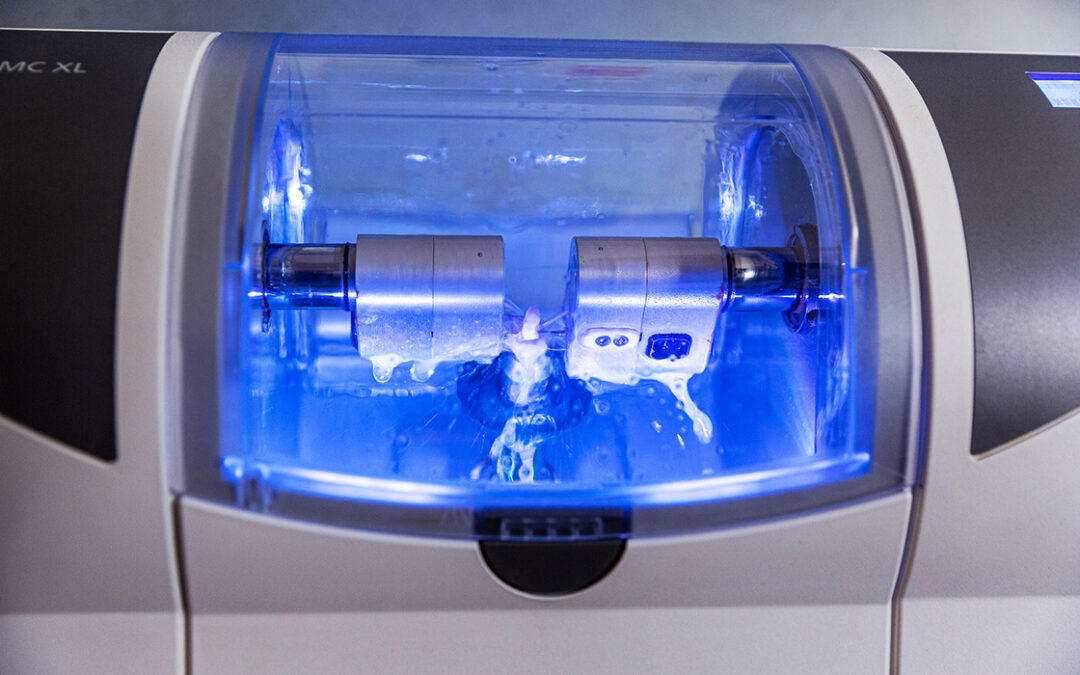
The field of dentistry is witnessing remarkable innovations that enhance patient care and treatment efficacy. From advanced imaging techniques to minimally invasive procedures, these innovations are transforming how dental professionals approach treatment and patient management.
For example, the use of 3D printing technology allows for the creation of custom dental implants and aligners, improving the fit and comfort for patients. Additionally, laser dentistry offers a less painful alternative for procedures like cavity treatment, leading to quicker recovery times and increased patient satisfaction.
Nutrition's Impact on Oral Health
Nutrition plays a critical role in maintaining oral health, as what we eat can significantly affect the condition of our teeth and gums. A balanced diet rich in vitamins and minerals supports not only overall health but also contributes to stronger teeth and healthier gums.
Foods high in calcium, such as dairy products, and those rich in vitamin C, like fruits and vegetables, are particularly beneficial. Conversely, sugary snacks and beverages can lead to tooth decay, making it essential for patients to be mindful of their dietary choices to promote optimal oral health.
Understanding Oral Health Myths
There are numerous myths surrounding oral health that can lead to misinformation and poor dental practices. Understanding these myths is crucial for patients to make informed decisions about their dental care.
For instance, a common myth is that brushing harder leads to cleaner teeth; in reality, this can damage gums and enamel. Another misconception is that dental visits are only necessary when experiencing pain, while regular check-ups are vital for preventive care and maintaining long-term oral health.
Understanding Preventive Dental Care
Preventive dental care is essential for maintaining optimal oral health and preventing dental issues before they arise. This approach involves regular check-ups, cleanings, and education on proper oral hygiene practices, ensuring that patients can take proactive steps towards their dental health.
For instance, routine dental visits allow for early detection of potential problems like cavities or gum disease, which can be treated more effectively when caught early. Additionally, preventive measures such as fluoride treatments and dental sealants can further protect against decay, especially in children and individuals at higher risk.
Innovations in Dental Treatments
The field of dentistry is witnessing remarkable innovations that enhance patient care and treatment efficacy. From advanced imaging techniques to minimally invasive procedures, these innovations are transforming how dental professionals approach treatment and patient management.
For example, the use of 3D printing technology allows for the creation of custom dental implants and aligners, improving the fit and comfort for patients. Additionally, laser dentistry offers a less painful alternative for procedures like cavity treatment, leading to quicker recovery times and increased patient satisfaction.
Nutrition's Impact on Oral Health
Nutrition plays a critical role in maintaining oral health, as what we eat can significantly affect the condition of our teeth and gums. A balanced diet rich in vitamins and minerals supports not only overall health but also contributes to stronger teeth and healthier gums.
Foods high in calcium, such as dairy products, and those rich in vitamin C, like fruits and vegetables, are particularly beneficial. Conversely, sugary snacks and beverages can lead to tooth decay, making it essential for patients to be mindful of their dietary choices to promote optimal oral health.
Understanding Oral Health Myths
There are numerous myths surrounding oral health that can lead to misinformation and poor dental practices. Understanding these myths is crucial for patients to make informed decisions about their dental care.
For instance, a common myth is that brushing harder leads to cleaner teeth; in reality, this can damage gums and enamel. Another misconception is that dental visits are only necessary when experiencing pain, while regular check-ups are vital for preventive care and maintaining long-term oral health.